Tuesday, 29 September 2020
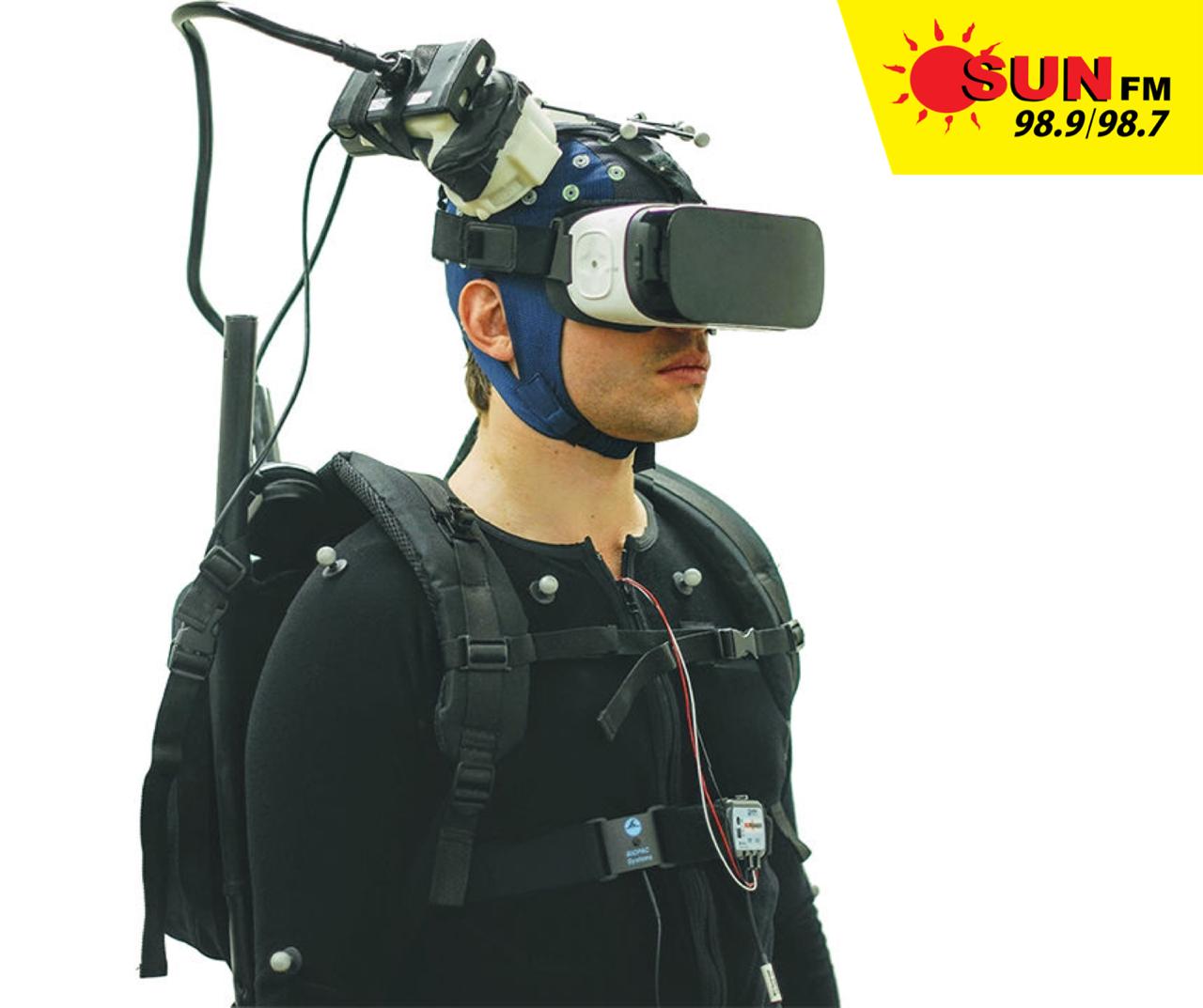
Scientists have developed a backpack that monitors and stimulates the activity of the brain as people go about their daily lives. One can learn in advance how the brain works outside of a laboratory and how to monitor diseases such as Parkinson's and post-traumatic stress disorder in real-world settings.
Timothy Spellman, a neuroscientist at Weil Cornell Medicine, who is not involved in the work, says the technology "demonstrates the potential with small neurological tools." He says it can expand the scope for neuroscience research to study the brain while the body is running.
In general, when scientists want to scan the brain, they need a lot of room and a lot of money. Functional magnetic resonance imaging (fMRI) scanners that detect activity in different parts of the brain are about the size of a pickup truck and cost more than $ 1 million. Patients should be in the machine for about 1 hour to confirm the presence of a clear, readable scan.
Approaches such as Transcranial magnetic stimulation (DMS) to clear the brain — often to treat severe depression — are not trivial; Patients should sit motionless in a laboratory for about 30 minutes, while a large coil provides magnetic pulses on their scalp to activate neurons.
In search of a better way, researchers at the University of California, Los Angeles (UCLA), have developed what they call the mobile deep brain recording and stimulus site.





.jpg)
.jpg)
.jpg)