




[email protected]
Sun FM Gossip
.jpg)
Thursday, 24 September 2026
.jpg)
Thursday, 24 September 2026
.jpg)
Thursday, 24 September 2026






Outer space is not friendly to life. Extreme temperatures, low pressure, and radiation can quickly degrade cell membranes and destroy DNA. Any life-forms that somehow find themselves in the void soon die. Unless they band together. As small communities, new research shows, some bacteria can withstand that harsh environment.
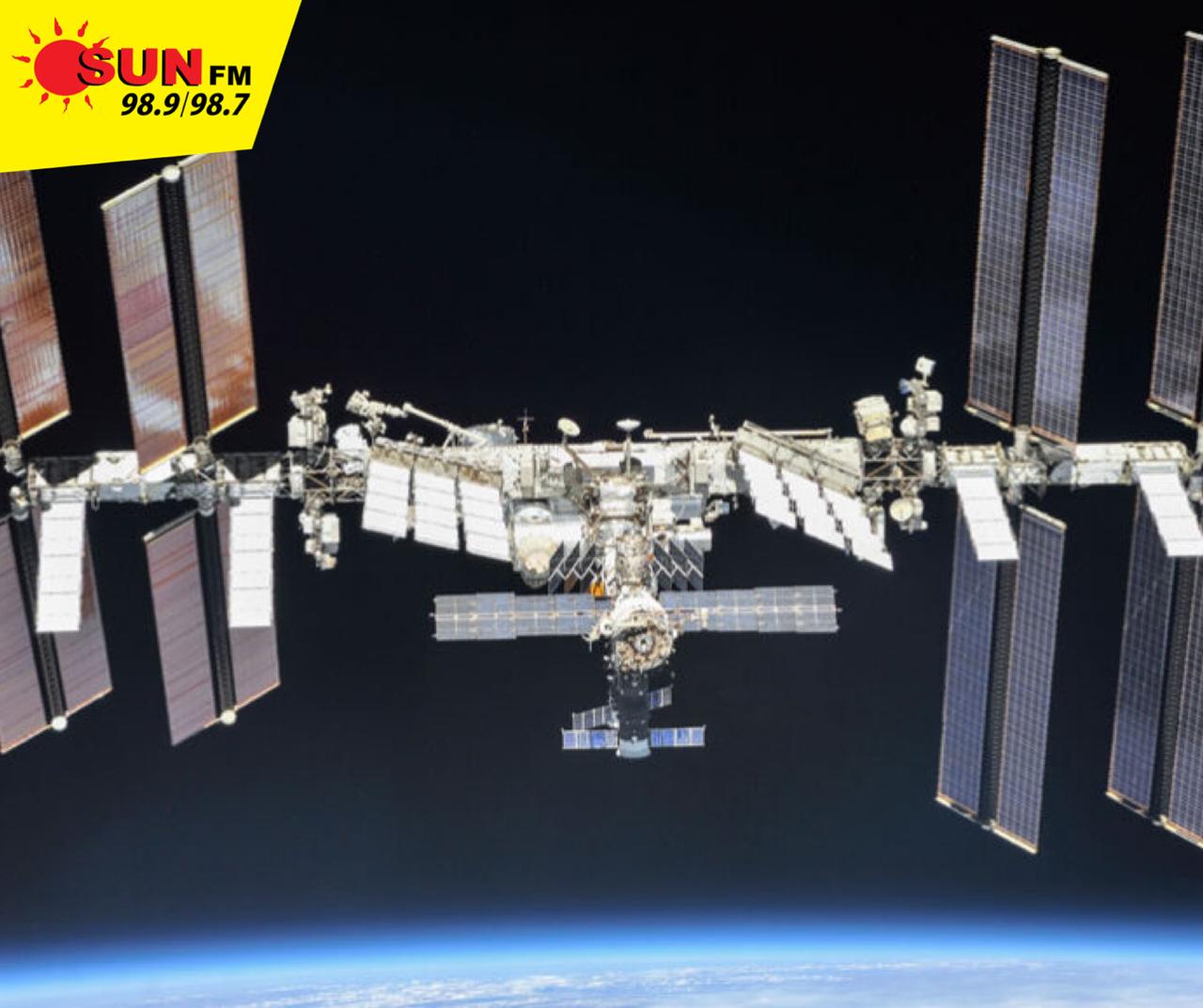
Balls of Deinococcus bacteria as thin as five sheets of paper were placed on the outside of the International Space Station. They stayed there for three years. Microbes in the heart of those balls survived. The group’s outer layers had shielded them from the extremes of space.
Such microbial groups might be able to drift among planets. This could spread life through the universe. This is a concept known as panspermia.
It was known that microbes could survive inside artificial meteorites. But this is the first evidence microbes can survive this long unprotected, says Margaret Cramm. “It suggests life can survive on its own in space as a group,” she says. Cramm is a microbiologist at the University of Calgary in Canada who did not take part in the study. She says the new finding adds weight to the worry that human space travel could accidentally introduce life to other planets.
Akihiko Yamagishi is an astrobiologist. He works at the Institute of Space and Astronautical Science in Tokyo, Japan. He was part of a team that sent dried pellets of Deinococcus bacteria to space in 2015. These radiation-resistant microbes thrive in extreme places, such as Earth’s stratosphere.
The bacteria were put into small wells in metal plates. NASA astronaut Scott Kelly affixed those plates to the exterior of the space station. Samples were then sent back to Earth each year.
Back home, researchers moistened the pellets. They also fed the bacteria food. Then they waited. After three years in space, bacteria in 100-micrometer-thick pellets didn’t make it.
Yamagishi estimates that 1,000-micrometer pellets could survive eight years floating through space. “That’s enough time to potentially get to Mars,” he says. Rare meteors might even be able to travel between Mars and Earth in a few months or years.