Thursday, 10 September 2020
The high Andes Mountains of Peru are can be considered a hummingbird’s paradise, flourishing in wildflower nectar and scarce in predators. But there’s a single problem: the cold.
The temperature at night often crosses below the freezing in these highlands. This begs the questions, how does a bird that needs nectar from an estimated 500 flowers a day have the energy to keep itself warm at night?
Evidence shows, that the hummingbirds enter a state of suspended animation called Torpor.
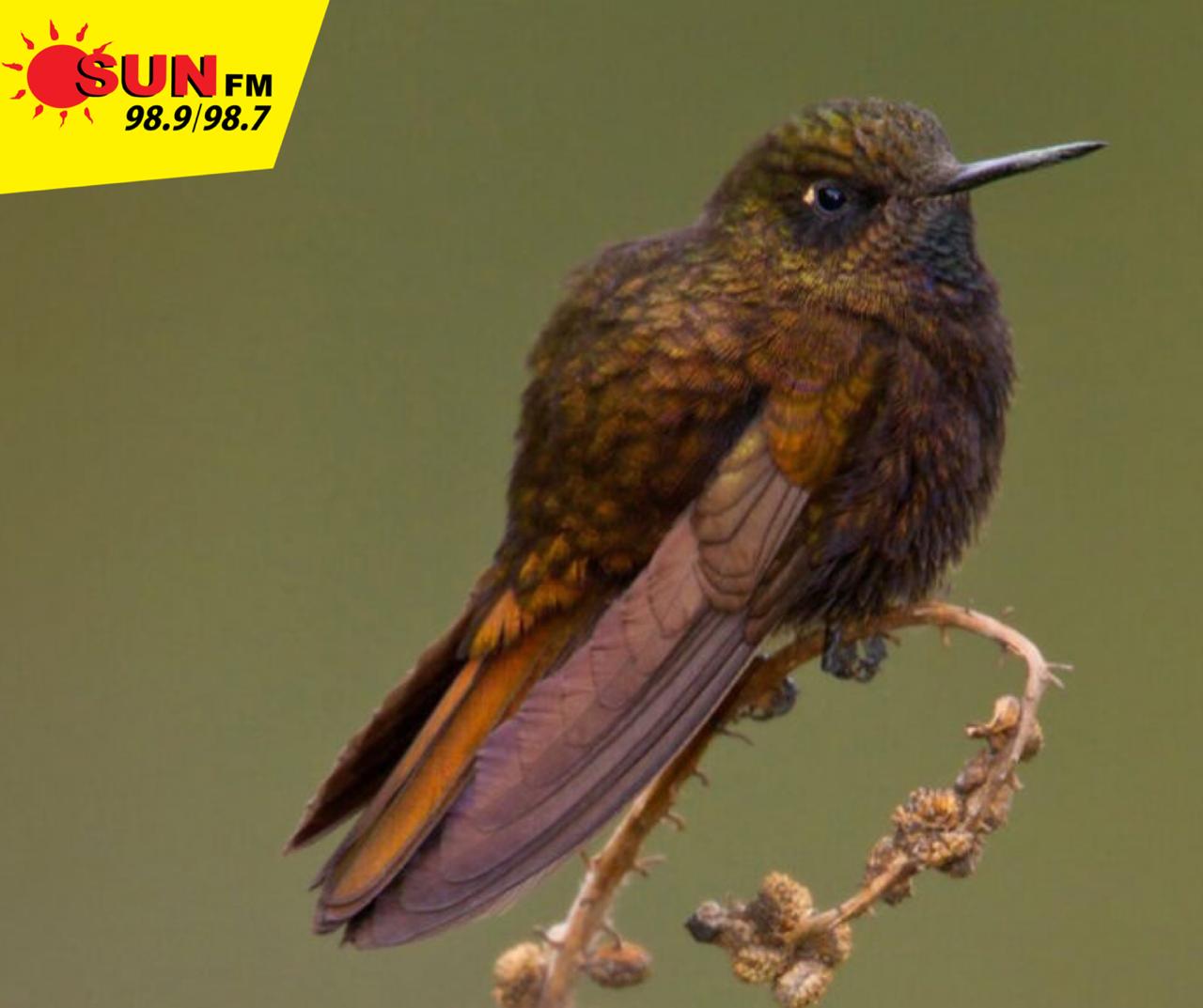
One particular species called the black metal tail (Metallura phoebe), brings it body temperature down to 3.26° Celsius, the coldest body temperature ever recorded in a bird or non-hibernating mammal, researchers report September 9 in Biology Letters.
“They’re cold as a rock,” says Blair Wolf, a physiological ecologist at the University of New Mexico in Albuquerque. “If you didn’t know better you’d think they were dead.” Dipping down to near-death temperatures lets the hummingbirds conserve its energy, allowing them to survive the cold night and gear up to feed the next day, Wolf states.
During the day, these hummingbirds’ tiny-yet-mighty hearts can beat 1,200 times a minute to power their frantic lifestyle. However, during torpor, their heart rates take a plunge to temperature as low as 40 beats a minute. “It’s an astounding drop,” Wolf says, and it could allow these birds to cut back on their energy use by 95 percent.
By preventing the waste of this energy trying to stay warm, the birds can fly as high as 5,000 meters above sea level. “It’s a remarkable adaptation.” As the sunrise approaches the hummingbirds to start bringing their temp up to a degree a minute by rapidly vibrating their muscles.





.jpg)
.jpg)
.jpg)